Featured image by Andrea Piacquadio, Pexels Autistic people can be more sensitive to sound than their non-autistic peers can. In the workplace, autistic people can […]
https://www.exploringsilentminds.org/wp-content/uploads/2022/10/Exploring-silent-minds-logo.png511500Silent Mindhttps://www.exploringsilentminds.org/wp-content/uploads/2022/10/Exploring-silent-minds-color.pngSilent Mind2025-03-14 11:26:442025-03-14 11:26:44Sound in the Workplace – How it Affects Employees with Autism
https://www.exploringsilentminds.org/wp-content/uploads/2022/10/Exploring-silent-minds-color.png00Silent Mindhttps://www.exploringsilentminds.org/wp-content/uploads/2022/10/Exploring-silent-minds-color.pngSilent Mind2025-03-09 10:46:372025-03-09 10:46:37Parenting a Child with Autism: Tips, Strategies & Support for Thriving Together
By Darlene Lancer, JD, LMFT Finding True Healing Self-love and healing are challenging, because we’re tempted to look outside ourselves for something or someone to take away our pain. We often flee from pain through distractions, relationships, addictions, or substances,…
German autistic psychologist/psychotherapist Angela Yael Blumberger discusses her experiences with psychotherpy, and how it may not suit the neurodivergent.
https://www.exploringsilentminds.org/wp-content/uploads/2022/10/Exploring-silent-minds-logo.png511500Silent Mindhttps://www.exploringsilentminds.org/wp-content/uploads/2022/10/Exploring-silent-minds-color.pngSilent Mind2025-02-19 21:40:002025-02-19 21:40:00Psychotherapy Is Lifelong Self-Discovery on Both Sides: An Autistic Self-Advocate’s Perspective
Finding the right learning tools for a self-contained special education classrooms can be a challenge. Teachers need resources that are engaging, accessible, and tailored to meet the diverse needs of their students. That’s why AI-Learners is a must-have tool for self-contained classrooms!
Disclosure: This post was created in partnership with AI Learners. I was compensated for this content, but all views and opinions are entirely my own.
What is AI Learners?
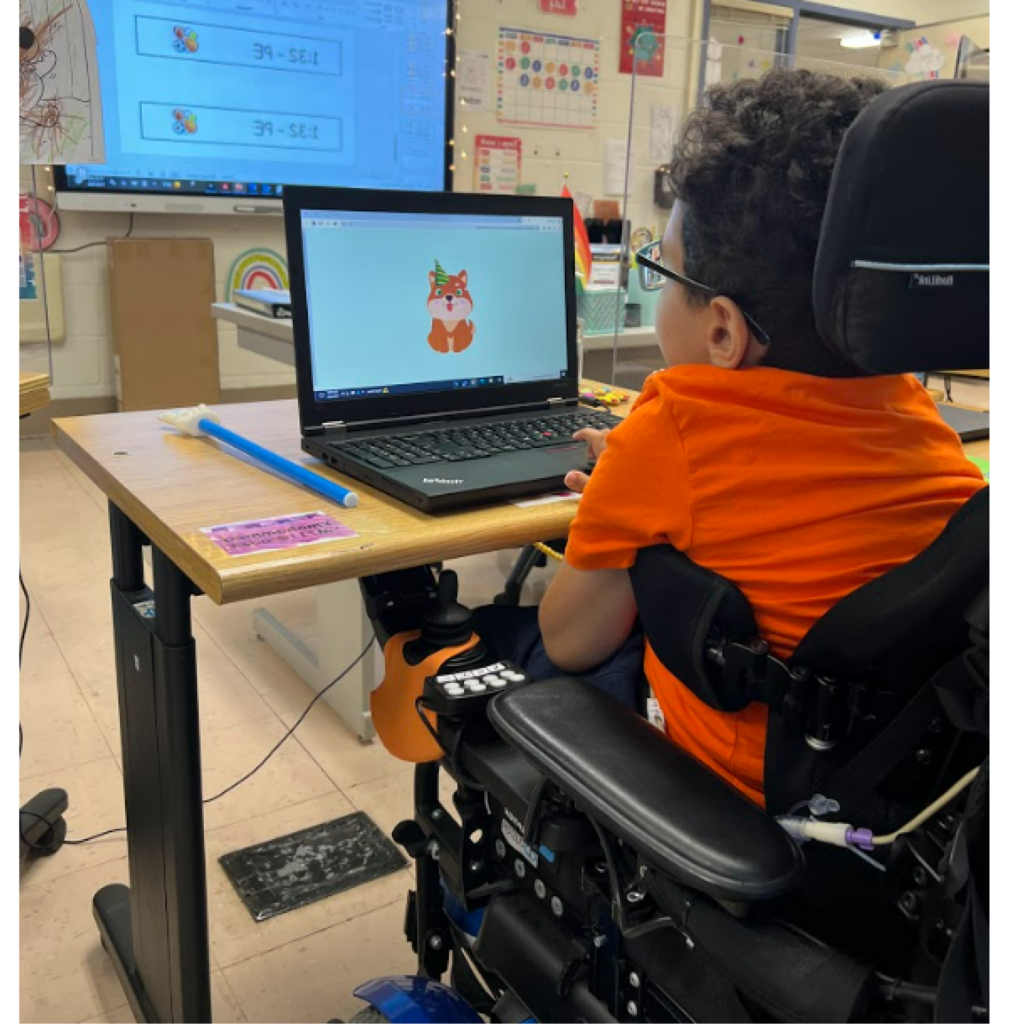
AI-Learners is a web-based learning platform designed to help students with all abilities learn early math and literacy through personalized computer games and analytics. The platform uses interactive games with personalized learning pathways to make learning more engaging and approachable for students with disabilities and beyond.
“I like that it is a easy way for me to have something for kids to do for independent work time. It is very convenient.” – Leslie, Special Education Teacher
Why Does AI Learners Work for Special Education Classrooms?
Engaging, Game-Based Learning AI-Learners turns math and reading into interactive games at their level, keeping students motivated. This is a game-changer for students who struggle with traditional worksheets or busy overstimulating websites.
Personalized to Each Student (perfect for special education!) The best part about this learning platform is that AI Learners adapts to each learner’s skill level, providing individualized lessons and support. This is perfect for self-contained classrooms, where students are often working at different levels and on different topics. It takes the pressure off the teacher to differentiate.
Built-In Accessibility Features AI-Learners includes features like text-to-speech, color contrast adjustments (This feature is a GAME CHANGER), and alternative input methods to ensure that all students can access and engage with the content.
I love that you can toggle between real images and clipart for sorting games, increase and decrease font sizes, change color contrast, and decrease visual complexity settings.
Perkins School for the Blind has approved of this resource as a platform for online games that has low vision and CVI options as well as being accessible to switches, eye gaze, and screen readers! This is a huge win in the accessibility forefront!
Progress Tracking for Teachers Teachers can easily monitor student progress, making it simple to adjust instruction and celebrate student growth. No more guessing if a student is improving—AI-Learners provides real data, something special education teachers can use to track IEP goals and show student growth!
New Feature for Special Education!
AI Learners just launched a new feature for social narratives! Teachers can choose from a library of premade stories and the stories are read aloud. They can also create personalized stories based on their students and use multiple choice to assess afterwards.
A Must-Have for Special Education
For teachers looking to integrate differentiated, engaging, and accessible math instruction into their classrooms, AI-Learners is a must have. I love that is differentiated and meets students where they are and tracks student growth- one engaging game at a time!
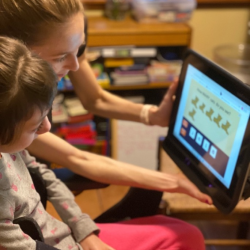
The creator of AI Learners, Adele, with her sister Lara.
Unlike other AI programs available, this one is really created with self-contained classrooms in mind. The creator has a younger sister with Rett Syndrome, which inspired her to create a tool that is accessible for students of all abilities (especially in special education classrooms). Adele stressed to me that it is very important to her that the tool is inclusive for all, and that’s something that we love to hear at Simply Special Ed.
https://www.exploringsilentminds.org/wp-content/uploads/2025/02/Return-from-Leave-SPED-Teacher-1-1024x576-1.jpg5761024Silent Mindhttps://www.exploringsilentminds.org/wp-content/uploads/2022/10/Exploring-silent-minds-color.pngSilent Mind2025-02-15 19:47:012025-02-15 19:47:01Why AI-Learners is a Game-Changer for Special Education
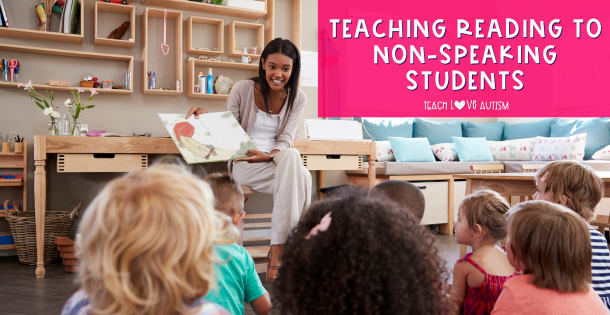
Have you ever had to teach reading to non-speaking students? While this can be a unique challenge, it is possible with the right strategies and resources. In this post, I’ll share some of the key strategies I use, along with valuable resources like core vocabulary materials and reading comprehension materials that support literacy development for non-verbal students.
Incorporating Core Vocabulary Materials into Reading Instruction
Teaching reading to non-speaking students requires a focus on core vocabulary. Core vocabulary is a set of high-frequency, versatile words that make up most of our everyday communication.
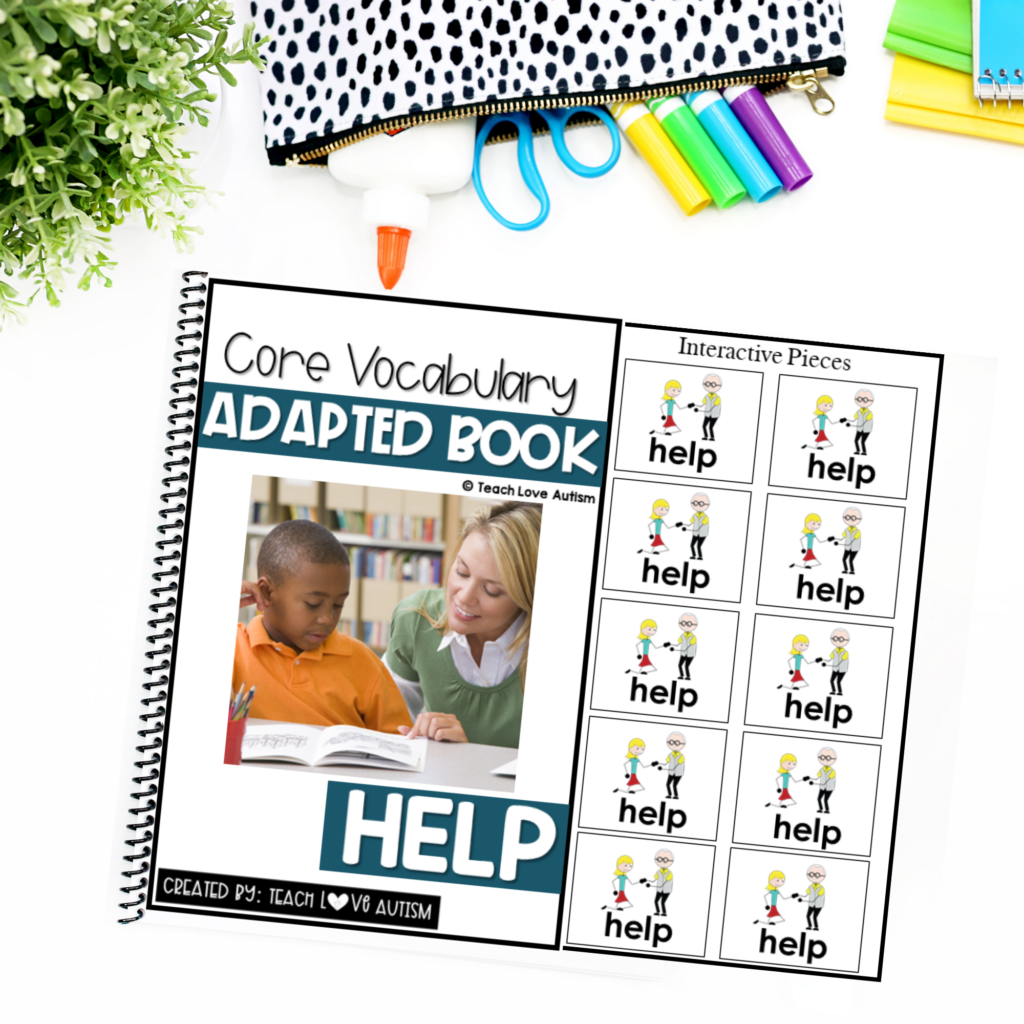
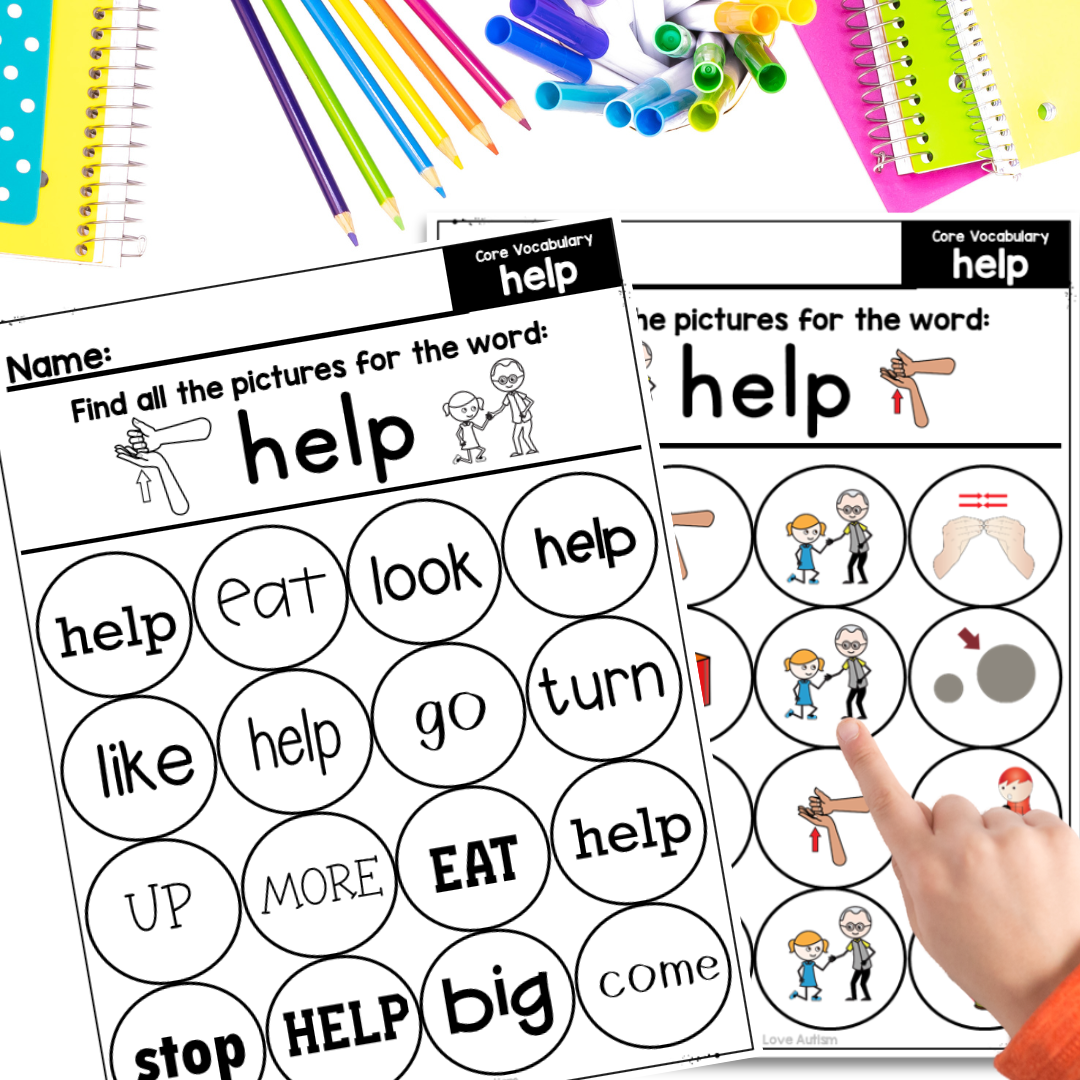
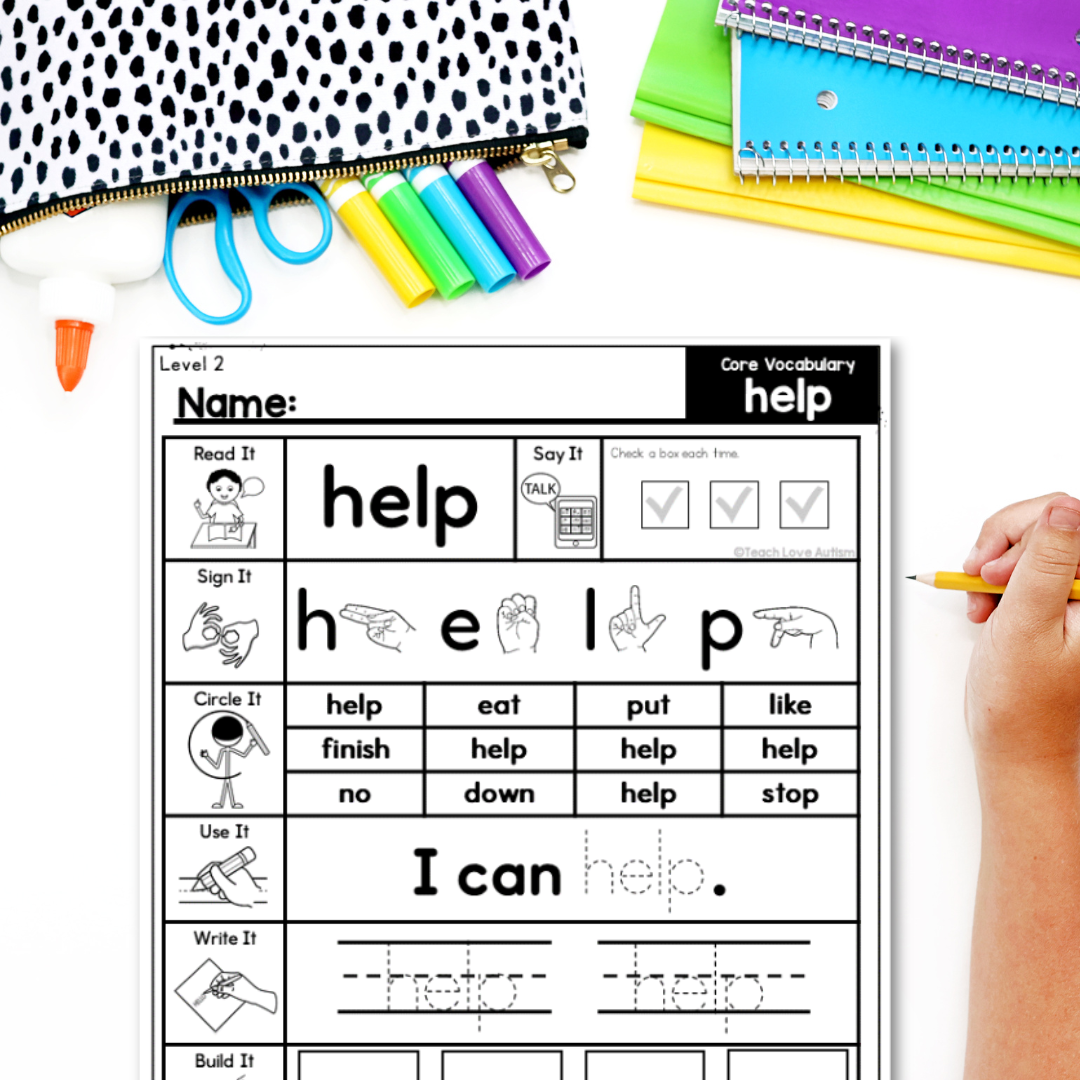
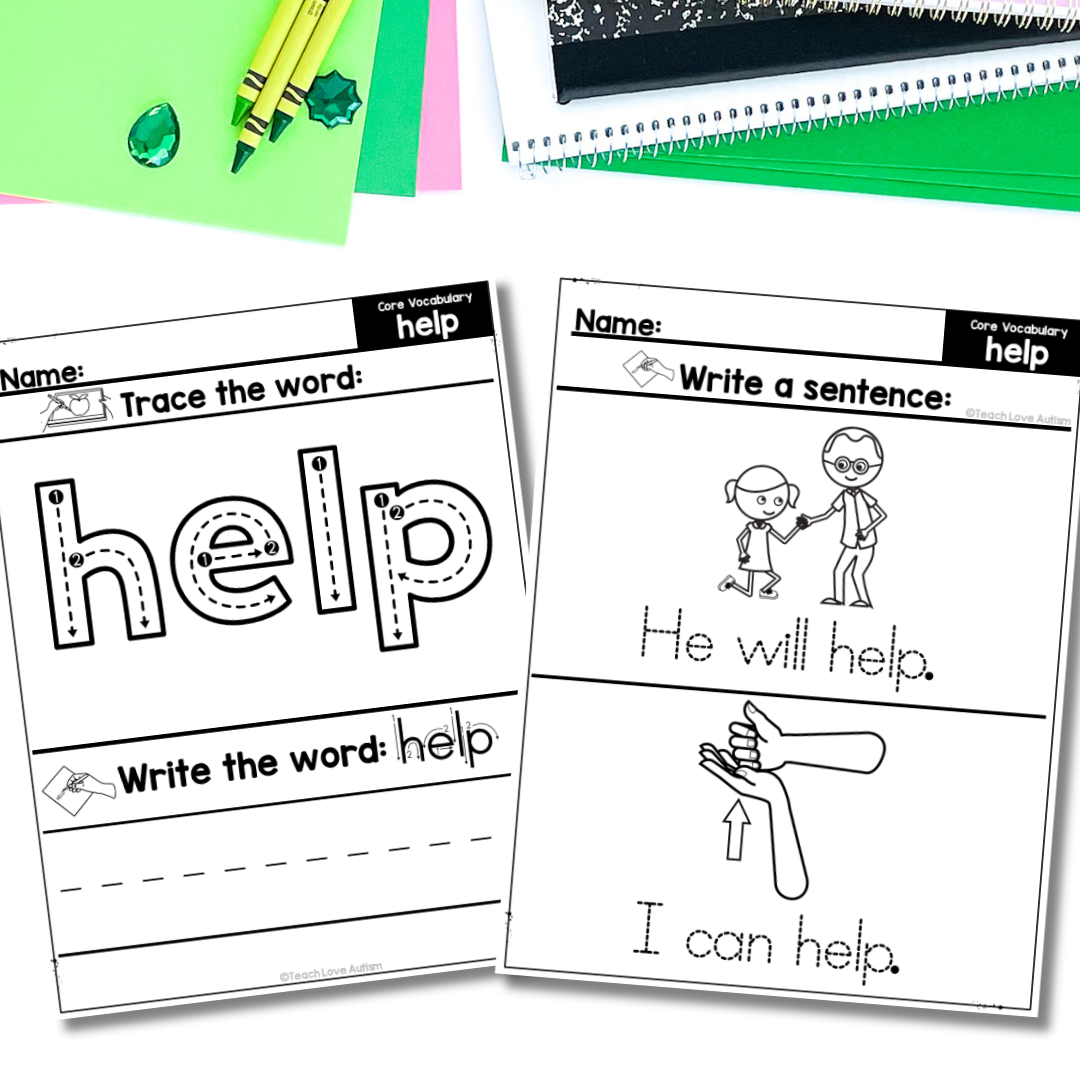
These words, such as “go,” “want,” “help,” “more,” “stop,” “like,” and “not,” are essential because they can be used in multiple contexts and across various subjects. Unlike fringe vocabulary, which includes more specific words (e.g., “penguin,” “pizza,” “volcano”), core words allow non-speaking students to express a wide range of thoughts using a limited set of words.
Core vocabulary is essential for teaching reading to non-speaking students who use AAC (Augmentative and Alternative Communication) because it gives them a foundation for communication, literacy, and independence. Educators help students develop meaningful language skills that support both spoken and written communication by teaching core words alongside phonics and comprehension strategies.
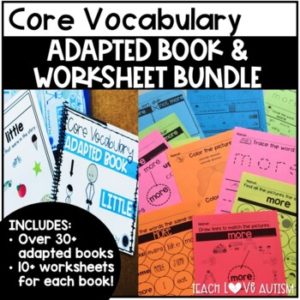
These materials include:
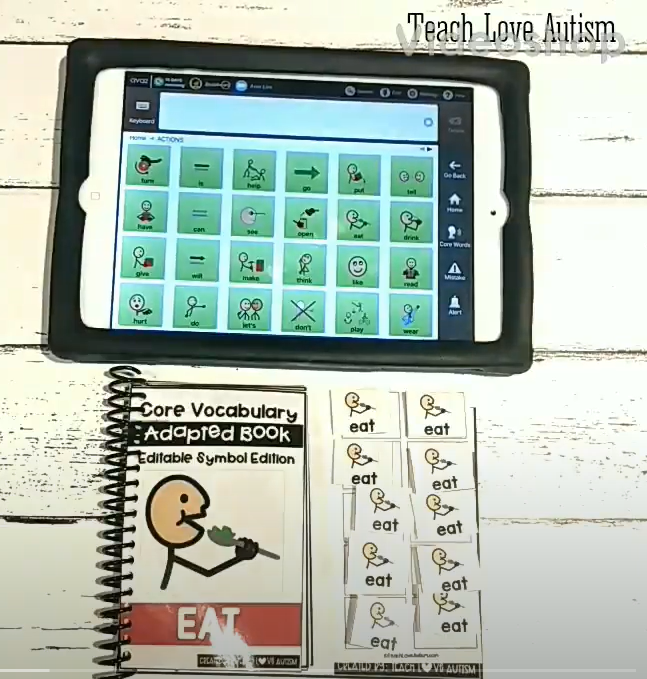
Adapted books that reinforce core vocabulary.
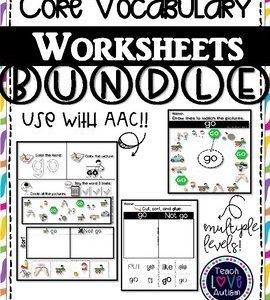
Interactive reading tasks where students match core vocabulary words to pictures.
Special education teachers should use core vocabulary for teaching reading to non-speaking students because it provides them with a consistent and functional set of words that they can use across various settings and communication opportunities.
By integrating these words into literacy instruction, teachers help all students build a strong foundation for reading while also supporting their ability to express themselves through AAC or other communication methods. Teaching core vocabulary alongside phonics and comprehension strategies empowers non-speaking students to engage with text, develop language skills, and increase their independence in communication and learning.
One-on-One Guided Reading Lessons for Non-Speaking Students
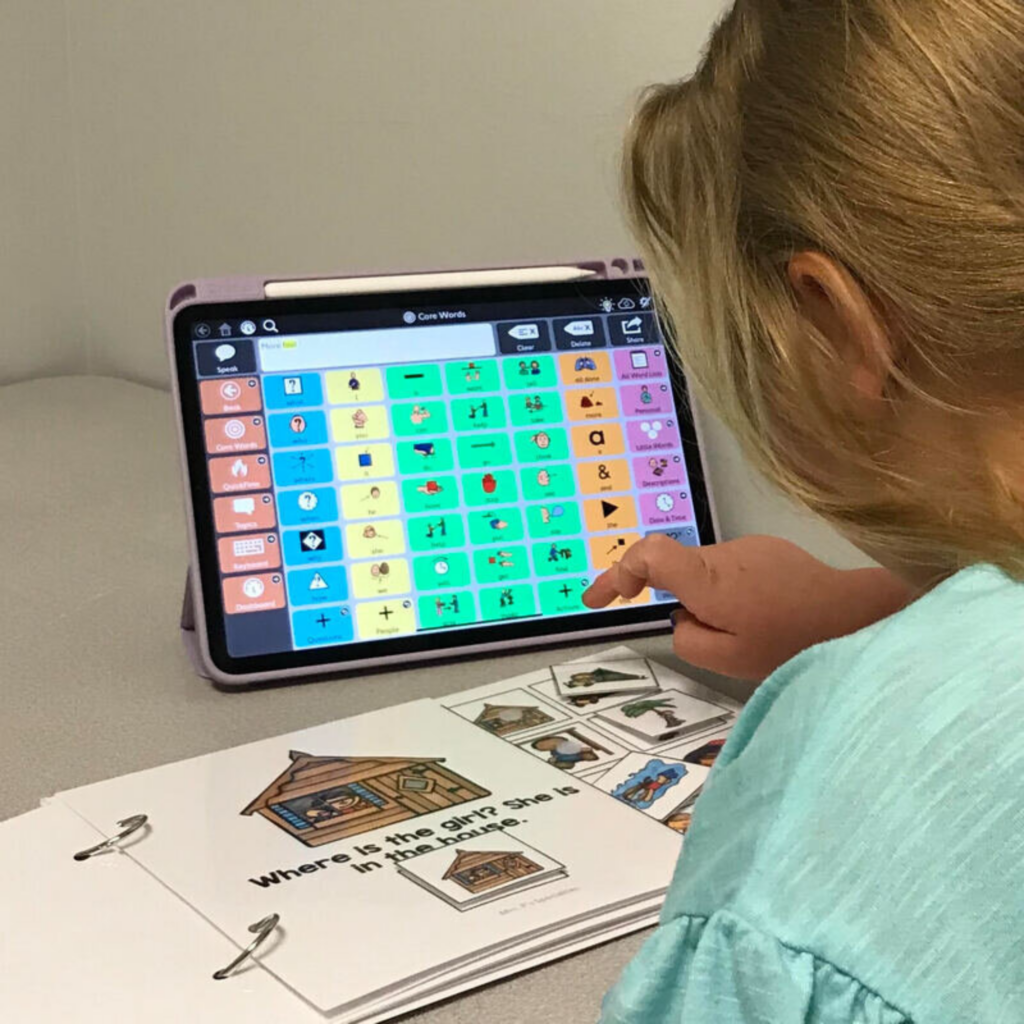
For my non-speaking students, I conduct one-on-one guided reading sessions using a combination of traditional books and technology. I integrate their AAC (Augmentative and Alternative Communication) devices to support communication and literacy learning.
During these sessions, I:
Encourage students to point to words as I read aloud.
Use their AAC devices to locate core vocabulary and fringe words related to the text.
Engage students in spelling and word recognition activities.
One-on-one guided reading lessons are essential for non-speaking students because they provide individualized support that meets their unique communication and literacy needs. In a one-on-one setting, teachers can tailor instruction to each student’s learning style, incorporating AAC, visual supports, and multimodal strategies to build comprehension and decoding skills.
These lessons create opportunities for students to engage with text in a meaningful way, whether by selecting words on a device, pointing to pictures, or using gestures to show understanding. Guided reading also allows for immediate feedback, repetition, and scaffolding, which are critical for developing early literacy skills. By providing direct, focused instruction, teachers empower non-speaking students to become confident readers and effective communicators.
Enhancing Reading Comprehension for Non-Speaking Students
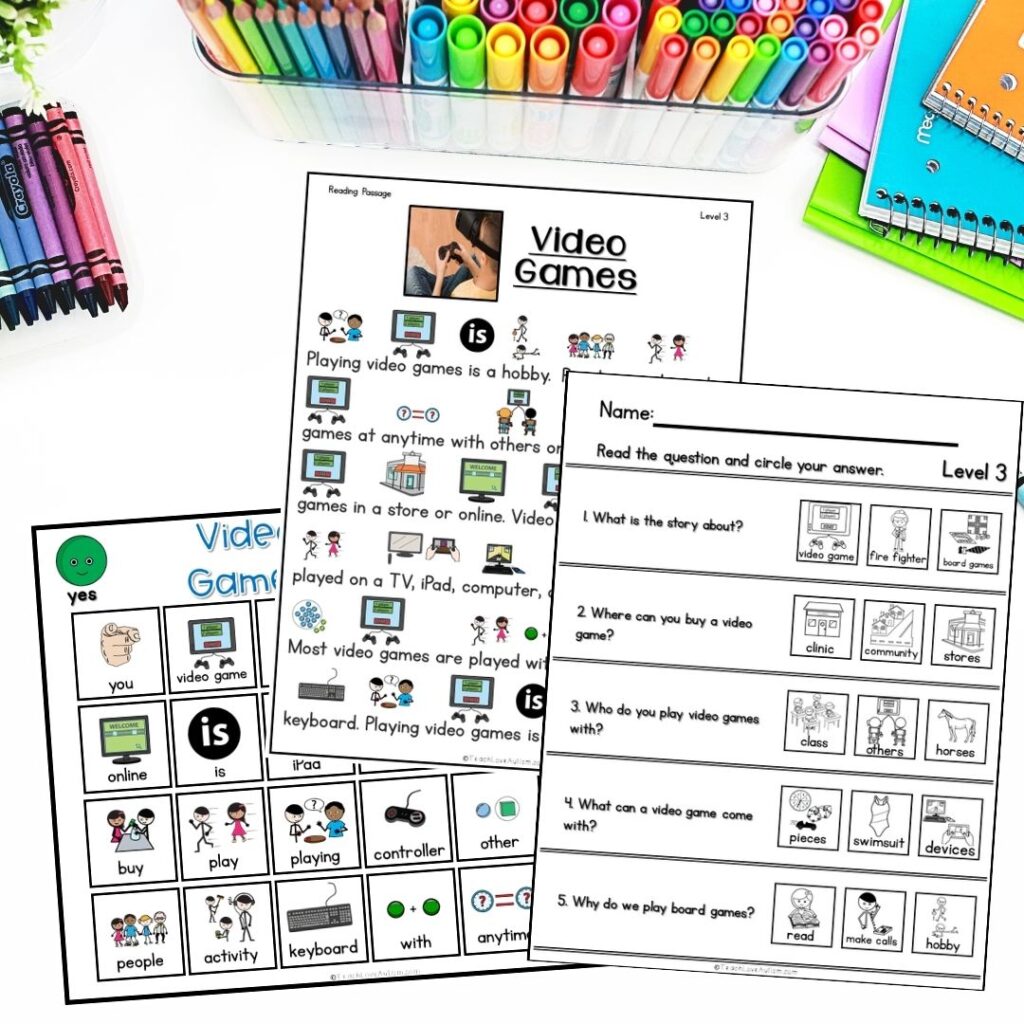
Reading comprehension is just as important as decoding words when teaching reading to non-speaking students. My reading comprehension materials include:
-Comprehension tasks that allow students to demonstrate understanding using picture choices, pointing, or AAC devices.
-Visual supports that help students make connections with the text.
-Simple WH-question prompts tailored to non-speaking students.
Teaching reading comprehension to non-speaking students is essential because it allows them to actively engage with the text, develop critical thinking skills, and build meaningful connections to language and communication. Comprehension goes beyond simply decoding words—it helps students understand stories, follow directions, and gain knowledge about the world around them.
For non-speaking students, strong comprehension skills enhance their ability to express thoughts, answer questions, and participate in conversations using AAC or other communication methods. By focusing on comprehension, teachers empower students to become more independent learners, boost their confidence, and open up new opportunities for academic and social success.
Final Thoughts on Teaching Reading to Non-Speaking Students
Teaching reading to non-speaking students requires a combination of evidence-based strategies and accessible resources. By utilizing core vocabulary materials, reading comprehension tools, and structured literacy instruction, we can empower non-speaking students to develop strong literacy skills.
Let’s continue to create inclusive classrooms where all students have the opportunity to thrive in literacy learning!
I passionately disagree with the phrase “blood is thicker than water.” In my experience, familial or biological ties are not inherently stronger than non-familial bonds. My chosen bonds are often more important and meaningful than my blood bonds. And living with ADHD — and the isolation it brings — has everything to do with this experience.
No matter how early an ADHD diagnosis comes, isolation is a core part of the neurodivergent experience. It starts early. The school system, designed for neurotypical children, can be rigid and unforgiving. I know it was for me. School fed a negative feedback loop, making me and other children with ADHD believe we were deficient.
Home, a supposed sanctuary, is not always a safe haven either. Denial or minimization of symptoms are common coping mechanisms for our parents who struggle to acknowledge that we are different.
Growing up with undiagnosed ADHD meant that adults in my life perennially punished and shamed me for behaviors that I couldn’t help. They genuinely believed I was lazy and wanted to fail. Even today, in my 40s and with an ADHD diagnosis, my family has made it clear that they do not accept the diagnosis and, therefore, do not accept me for who I am.
Why Chosen Families Matter
Families comprise people thrown together by chance and genetics. Chosen families are built on shared experiences, similar life circumstances, and intentional decisions. When our families of origin fail us, our chosen families often fill the gaps.
A group of robust, supportive, reliable, nonjudgmental, and empathetic friends and loved ones make all the difference for those of us on the fringes. They mitigate the chronic frustrations of living with ADHD. They are the antidote to ostracization.
Who is in my chosen family? Other parents with ADHD whom I met through my son’s school, for one. We share our tricks for managing symptoms, but the most important thing we do is “see” one another and offer encouragement through struggles that neurotypical people do not understand.
Even my doctor is part of my chosen family. I knew this after he told me what no other health care provider in my life has: “You are in control.”
It took some time for my chosen family to come together. What helped me in the early days of my diagnosis was pouring through the volumes of online forums, groups, and websites dedicated to ADHD. Though nothing beats in-person bonding, reading about others’ experiences with the condition online made me feel like I wasn’t alone for the first time in my life.
A chosen family helped me regain the self-esteem that was stolen away by living with undiagnosed ADHD for so many years. My ADHD community provides me with unconditional love, support, encouragement, and a safe space to make mistakes without eternal punishment and labels. If our blood bonds cannot provide the former, then we must find others who can so that we may, in turn, be someone’s shoulder to lean on. Our mental health and well-being are too important to leave our community bonds in the hands of an arbitrary family tree.
Maria Reppas lives with her family on the East Coast. Her writing has been in The Washington Post, USA Today, Newsweek, New York Daily News, Ms. Magazine, and Business Insider. Visit her at mariareppas.com.
SUPPORT ADDITUDE
Thank you for reading ADDitude. To support our mission of providing ADHD education and support, please consider subscribing. Your readership and support help make our content and outreach possible. Thank you.
https://www.exploringsilentminds.org/wp-content/uploads/2022/10/Exploring-silent-minds-color.png00Silent Mindhttps://www.exploringsilentminds.org/wp-content/uploads/2022/10/Exploring-silent-minds-color.pngSilent Mind2025-02-15 19:46:162025-02-15 19:46:16“My Chosen Family Is the Support Network I Never Had”